.webp)

Introduction
Global e-commerce has entered a phase where speed, predictability, and operational clarity matter more than ever. Brands expanding across regions are no longer looking only for low-cost solutions or dispersed warehouses. Instead, they are prioritizing fulfillment hubs that offer proximity to multiple markets, streamlined customs processes, modern infrastructure, and the technological capabilities required for omnichannel distribution. Within this evolving landscape, Cyprus has quietly become one of the most operationally strategic locations for cross-border fulfillment.
Its importance has nothing to do with political narratives or regional complexity. What makes Cyprus uniquely positioned is simply geography, infrastructure, and efficiency. For companies that need to reach markets in Europe and nearby trade corridors quickly and reliably, Cyprus provides an ideal logistics foundation. This article explores why Cyprus is emerging as a powerful gateway for multi-country e-commerce expansion, the operational advantages it offers, and how fulfillment hubs based there enable brands to scale in ways that traditional distribution models often cannot.
1. Geography as an Operational Asset
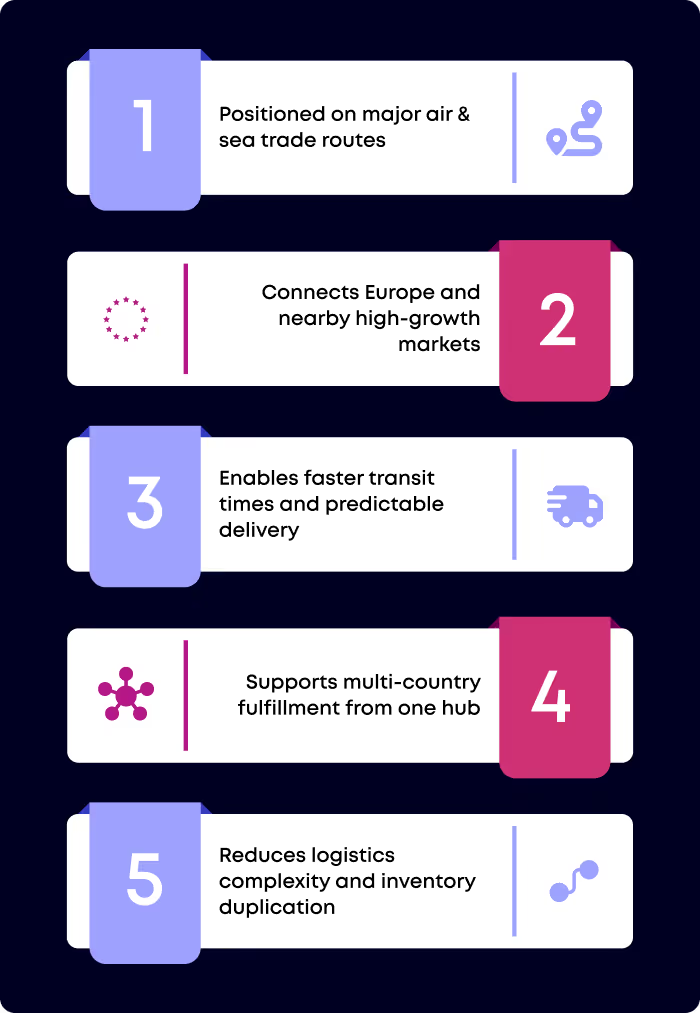
Cyprus’ value in international logistics begins with its geographic placement. Situated along well-established air and maritime routes, the island acts as a natural connector between Europe and surrounding high-growth markets. For e-commerce organizations managing thousands of orders daily, this connectivity translates into shorter transit times, more predictable carrier schedules, and the ability to serve multiple regions from a single hub without the complexity of managing separate inventory pools.
The island’s airports and ports play a significant role in this advantage. Both air cargo and maritime traffic operate on stable, frequent schedules, offering brands the ability to replenish stock, ship outbound orders, and balance demand across nearby regions without delays that often characterize longer supply chain routes. Over time, this reliability becomes a competitive differentiator, especially for companies offering subscription products, fast-moving consumer goods, and items with narrow delivery expectations.
Why It Matters
E-commerce brands today optimize not only cost but reliability and agility. Cyprus offers predictable transport links, streamlined cargo flows, and faster turnaround times for multi-country distribution. This reduces the operational burden on companies expanding across nearby regions and helps maintain high delivery performance without adding more warehouse nodes.
2. Fulfillment Infrastructure Built for Modern E-Commerce
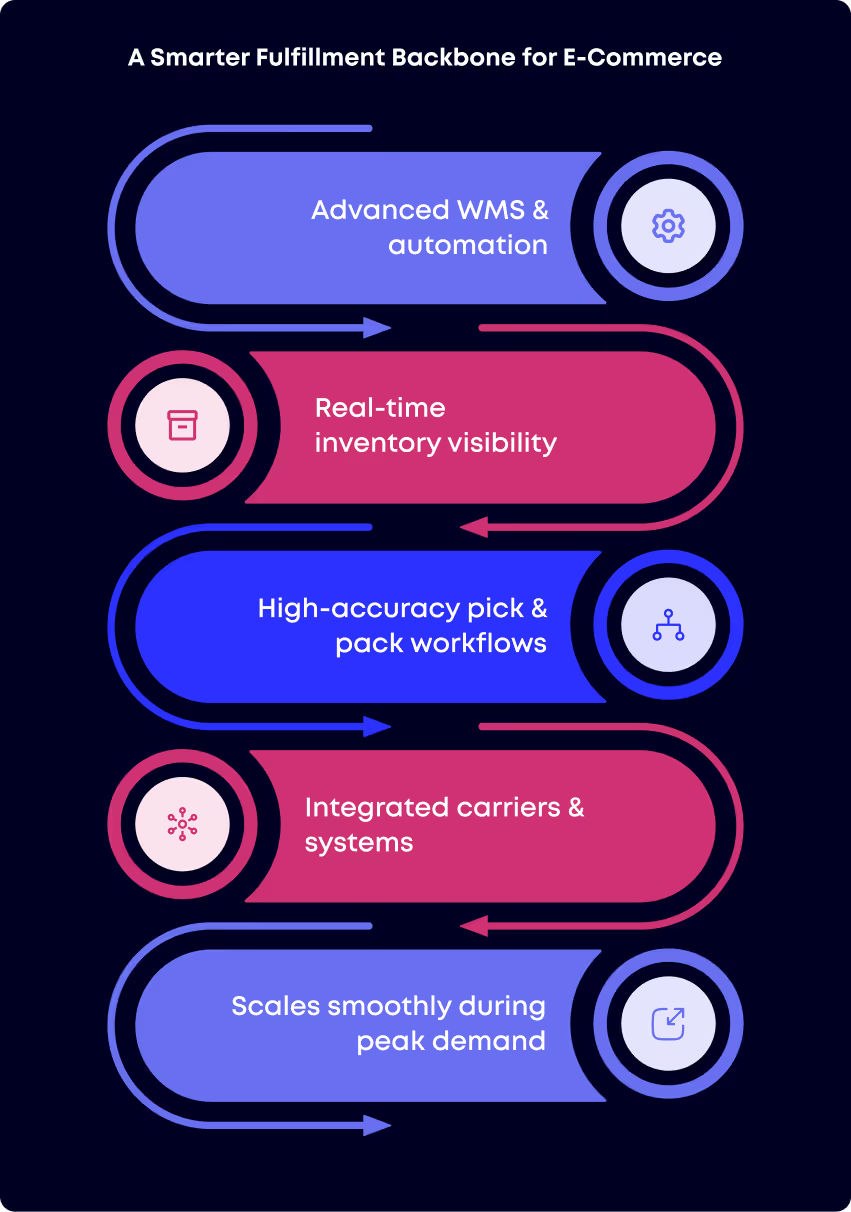
Cyprus has invested significantly in developing warehouses and logistics facilities that reflect the new demands of global commerce. Modern fulfillment operations rely heavily on automation, real-time visibility, and sophisticated workflow management rather than manual processes. Facilities in Cyprus often operate using advanced Warehouse Management Systems capable of tracking inventory with precision, coordinating multi-step pick-and-pack activities, and synchronizing replenishment cycles with inbound stock.
What distinguishes these hubs is not only the physical infrastructure but the technological ecosystem supporting them. Barcode automation, RFID tagging, digital quality control, API-based carrier integrations, and predictive inventory tools enable warehouses to maintain accuracy even during peak shopping periods. For brands that need to manage high SKU volumes or run subscription-based business models, this level of operational sophistication reduces errors, increases fulfillment speed, and enhances the overall customer experience.
Why It Matters
E-commerce operations increasingly prioritize accuracy, stock integrity, and consistency. Cyprus’s balanced scale enables controlled expansion without compromising on operational discipline. Companies gain a “right-sized” fulfillment environment, large enough to support multi-market distribution, but not so large that they face the bottlenecks or variability common in hyper-busy hubs.
3. Customs Efficiency as a Competitive Advantage
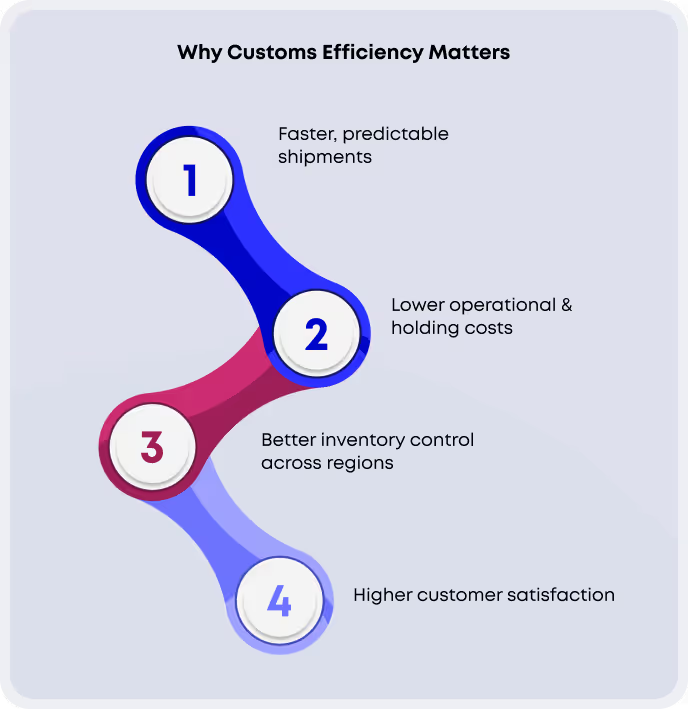
Cross-border brands often face their biggest challenges not in shipping but in customs clearance. Delays, unclear documentation requirements, and fluctuating regulations can disrupt entire supply chain cycles. Cyprus, however, offers a structured and transparent customs framework aligned with recognized international standards. This clarity reduces administrative uncertainty and allows businesses to move goods through the system quickly.
Digital submissions and standardized tariff procedures further simplify the compliance process. When inbound products can be cleared consistently and outbound shipments can move without unpredictable delays, brands gain a level of supply chain stability that is rare in some parts of the world. The result is reduced holding time, fewer unplanned costs, and a smoother experience for end consumers who rely on predictable delivery timelines.
Why It Matters
Customs predictability directly influences delivery speed, inventory planning, and customer satisfaction. Cyprus offers stable procedures that minimize variability, helping e-commerce companies maintain stronger control over cross-border operations and reduce the risk of fulfillment interruptions.
4. Connectivity Across Air, Sea, and Land
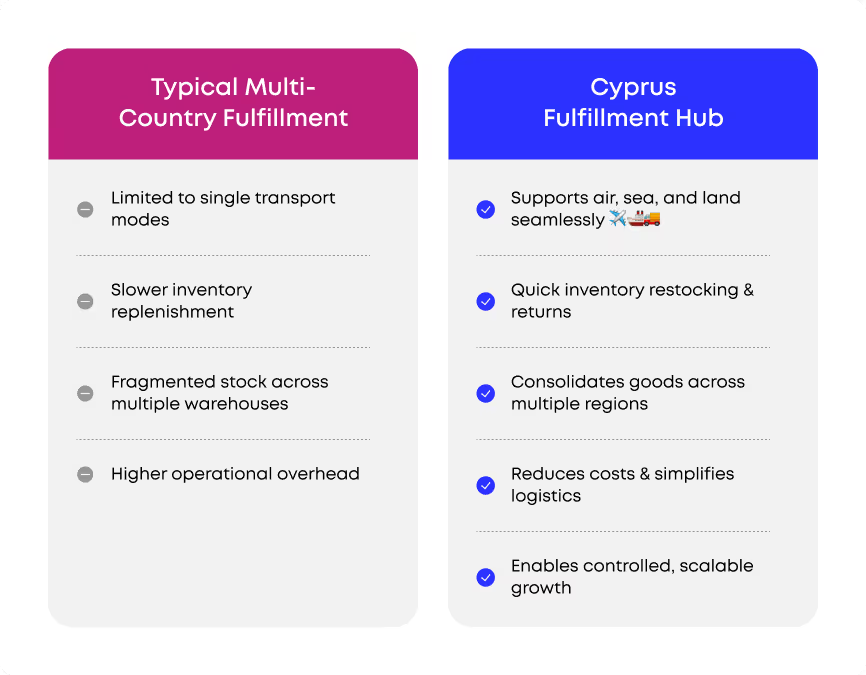
Another reason Cyprus is emerging as a preferred fulfillment base is its ability to support diverse transportation modes with equal efficiency. Air freight is particularly important for companies handling time-sensitive products. Cyprus’ international airports maintain regular cargo activity, which allows brands to quickly restore depleted inventory, manage returns more efficiently, and ship priority orders.
Meanwhile, the island’s maritime infrastructure links seamlessly to large-scale shipping networks. Container traffic operates on stable routes that make Cyprus an accessible node for both inbound manufacturing shipments and outbound consumer orders. For companies coordinating products sourced from multiple global regions, the ability to consolidate goods, process them, and dispatch them without delay is a significant operational benefit.
Why It Matters
The ability to centralize inventory while serving multiple markets reduces operational overhead and prevents fragmented stock allocation. Cyprus’s distribution flexibility supports sustainable growth, controlled market entry, and simplified logistics planning.
5. An Expanding E-Commerce Ecosystem
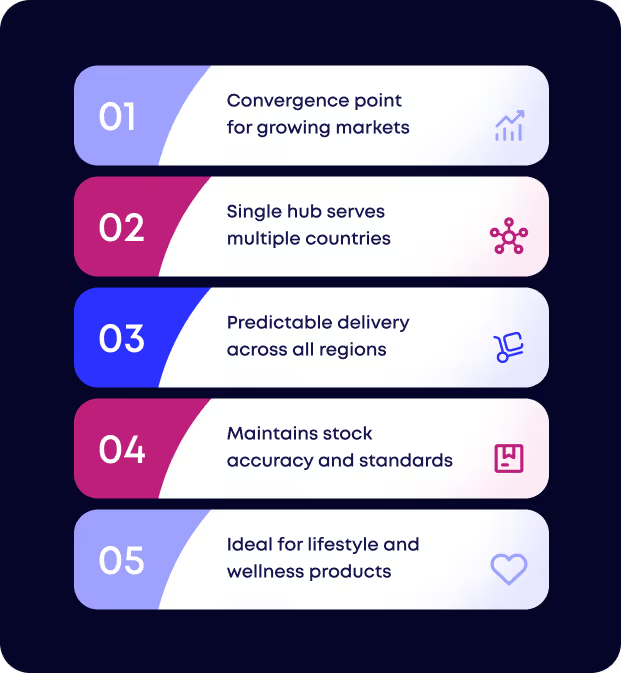
As online shopping continues to grow across Europe and wider surrounding regions, Cyprus is positioned at a convergence point. According to Statista’s regional outlook, nearby e-commerce markets are expected to grow steadily over the next several years, creating demand for faster and more efficient fulfillment solutions. This rising activity naturally increases the importance of Cyprus, not because it is the largest market in the region, but because it can support distribution to many of them simultaneously.
For Direct-to-Consumer brands seeking to expand geographically without setting up multiple country-specific warehouses, Cyprus offers a practical alternative. They can operate from a single base, maintain unified stock, and still promise customers in multiple markets predictable delivery windows. This operational efficiency is particularly useful for product categories like wellness, beauty, electronics, nutritional goods, and lifestyle accessories.
Why It Matters
Product-sensitive industries rely on accuracy, compliance, and controlled handling. Cyprus’s fulfillment ecosystem supports these requirements by offering the specialized processes needed to protect product integrity and maintain brand standards across international markets.
6. Skilled Workforce and Operational Reliability
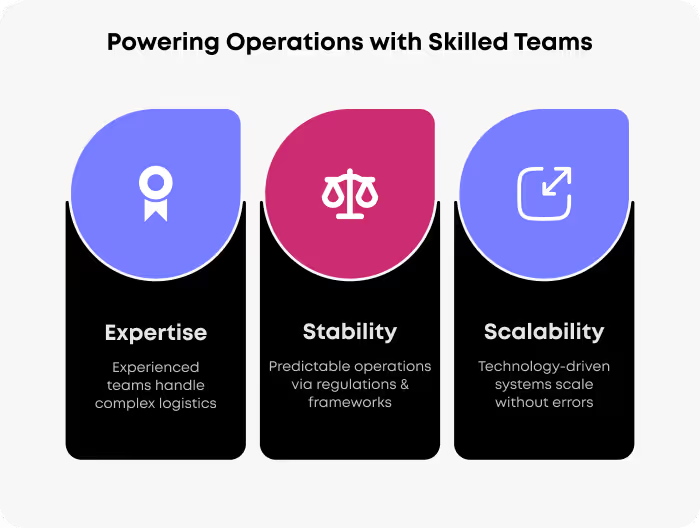
Behind every efficient fulfillment hub is a trained logistics workforce. Cyprus benefits from a talent pool experienced in warehouse operations, inventory management, and customer-centric logistics processes. These teams handle complex product mixes, multi-channel distribution models, and detailed quality control protocols with professional consistency.
In addition to workforce capability, Cyprus maintains a stable business environment with well-defined trade and regulatory frameworks. For companies operating in international markets, regulatory predictability is essential. It reduces the risk of unexpected operational shifts and allows for long-term planning — two elements that are foundational to stable global supply chain management.
Why It Matters
Technology-driven fulfillment improves accuracy, reduces human error, and enhances transparency for brands managing multi-market sales. Cyprus’s focus on modern operational systems ensures that companies can scale their logistics regionally without losing visibility or control.
7. Supporting Omnichannel Commerce with Flexibility
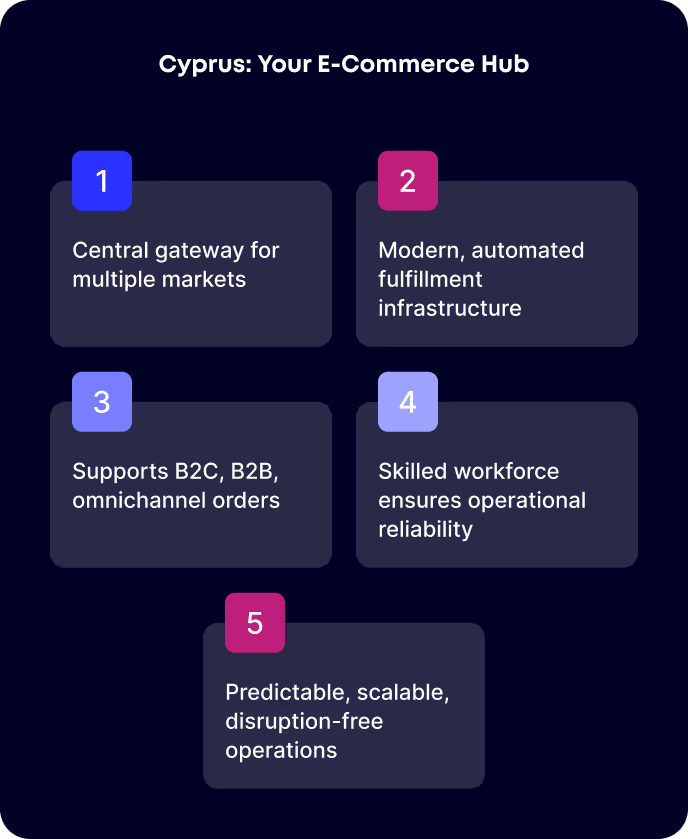
Modern fulfillment hubs must handle more than just standard B2C shipments. Cyprus-based facilities are increasingly structured to support omnichannel strategies that include marketplace orders, bulk B2B shipments, promotional kit assembly, subscription box preparation, and consolidated returns. The ability to execute these varied workflows within a single operational footprint helps brands streamline inventory control and reduce duplication across multiple markets.
Carrier integrations also play a significant role. Cyprus’ access to both global express carriers and regional delivery networks gives brands flexibility in choosing the right transport method for different customer segments. This redundancy is especially valuable during peak shopping seasons or when handling disruptions in international freight routes.
Why It Matters
Long-term stability allows businesses to avoid the disruptions associated with frequent relocations or unpredictable regulatory shifts. Cyprus offers a dependable foundation for brands looking to build sustainable and consistent regional fulfillment strategies.
Conclusion: A Quiet but Powerful Logistics Gateway
Cyprus is emerging as a strategic logistics hub not because of political narratives or regional dynamics, but because of tangible, measurable operational advantages. Its transportation access, fulfillment infrastructure, customs efficiency, and growing e-commerce relevance make it an increasingly valuable location for brands expanding across Europe and nearby regions. Companies looking to scale internationally often need a dependable regional anchor — one that allows them to manage inventory smartly, reduce delivery times, and streamline compliance without undue complexity.
Filuet’s long-standing fulfillment presence in Cyprus illustrates how the region can support sophisticated multi-market operations. Across its case studies, the company highlights programs involving nutritional products, beauty brands, direct selling organizations, and global consumer goods companies — many of which rely on the Cyprus hub for stability, accuracy, and consistent delivery performance. Instead of promotion, these examples underscore how a well-designed logistics base can help brands succeed in complex international markets.
As global commerce becomes more interconnected and customer expectations continue to accelerate, Cyprus’ role as a logistics gateway will only grow more important. Its operational advantages speak for themselves — and for many brands, they offer a clear path toward faster, more reliable, and more scalable international growth.


.avif)